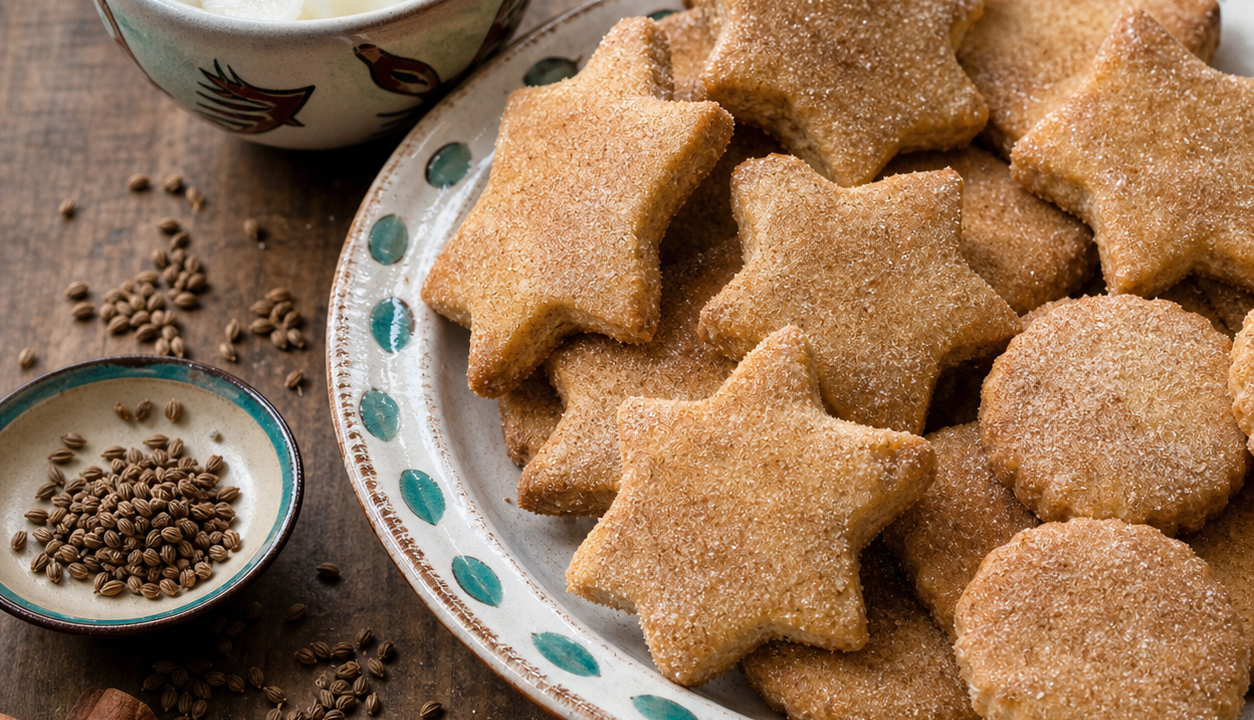
You bite into a biscochito. It crumbles softly. It melts on your tongue. The anise and cinnamon hit just right.
That experience — that perfect crisp, crumbly bite — comes down to one ingredient: lard.
If you’ve ever wondered why traditional biscochitos use lard instead of butter or shortening, you’re in the right place. In this guide, you’ll learn exactly what lard does to this beloved cookie, how it shapes the texture and flavor, and what to use if you can’t (or don’t want to) use lard.
Let’s start at the beginning.
What Are Biscochitos? A Quick Look at New Mexico’s Official State Cookie
Biscochitos (also spelled bizcochitos) are a type of traditional Spanish shortbread cookie. They are crisp, lightly sweet, and flavored with anise seed and cinnamon sugar.
These cookies are deeply tied to New Mexico. In fact, New Mexico made the biscochito its official state cookie in 1989 — the first state in the U.S. to name an official cookie.
The History of Bizcochitos and Spanish Colonial Baking
Biscochitos trace their roots to Spanish colonial settlers who came to New Mexico centuries ago. They brought with them recipes built around the ingredients they had available: flour, lard, anise, and sugar.
These cookies became a holiday tradition. You’ll find them at Christmas gatherings, weddings, and quinceañeras across New Mexico. They are a symbol of family, culture, and heritage.
What Makes a Biscochito Different From Other Anise Cookies
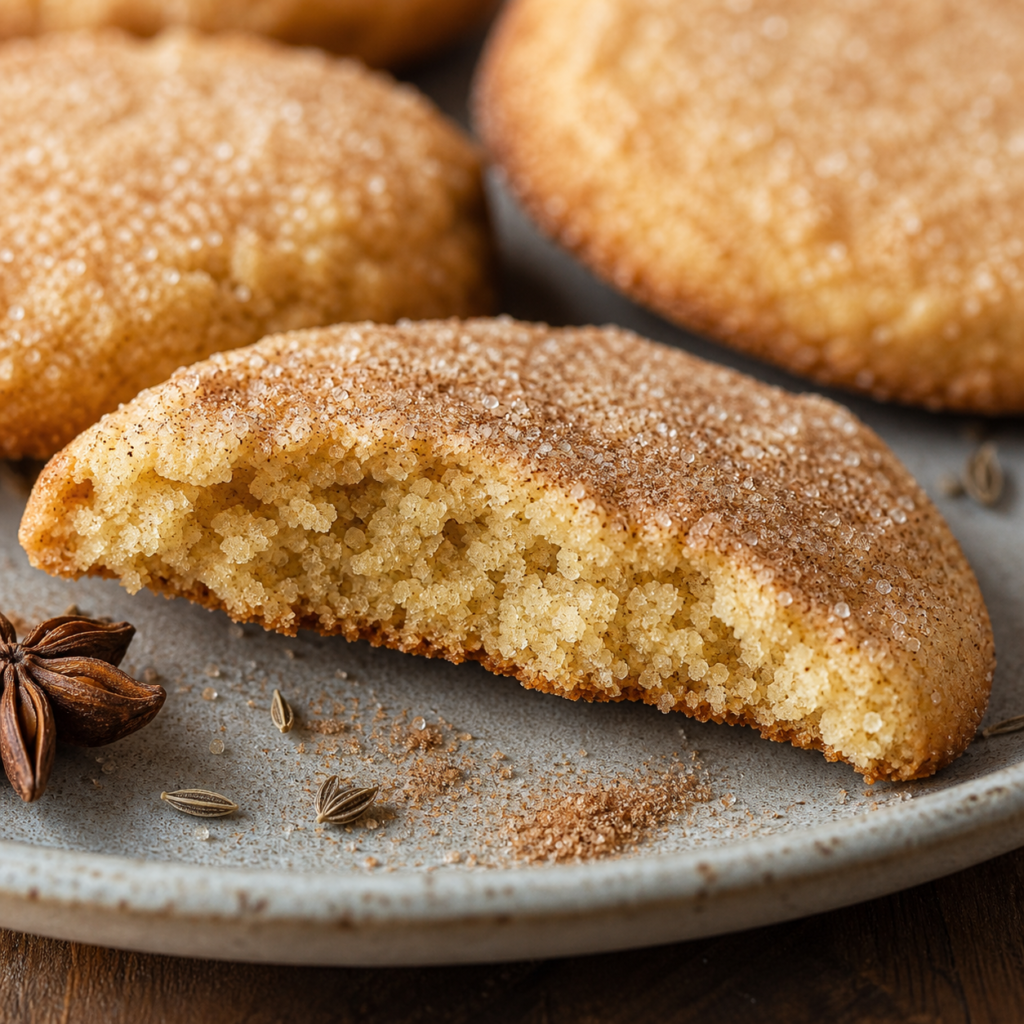
Biscochitos are not just any anise cookies. They have a very specific texture: dry, crumbly, and crisp — almost like a delicate shortbread.
The classic flavor comes from three things:
- Anise seed — earthy and slightly licorice-like
- Cinnamon sugar — dusted on top after baking
- A splash of liquid — traditionally brandy, whiskey, or sweet wine (sometimes orange juice)
The dough is rolled and cut, usually into fleur-de-lis or star shapes. The cookies should be crispy, delicate, and lightly crumbly — not soft or chewy.
Next, let’s get into the real question: why does lard make all the difference?
Why Do Authentic Biscochitos Use Lard? The Real Reason
Authentic New Mexican biscochitos are traditionally made with lard. This is not just a matter of habit — there is a real reason behind it.
When Spanish colonists settled in New Mexico, butter was hard to come by. It spoiled quickly in the heat and was expensive to obtain. Lard, on the other hand, was easy to make at home from pork fat. It was the everyday cooking fat in Spanish colonial kitchens.
Over generations, cooks discovered that lard produced a cookie with a lighter, crumblier texture than butter. The recipe stuck. And today, most traditional biscochito recipes still call for lard.
What Is Lard and Where Does It Come From?
Lard is rendered pork fat. It is made by slowly cooking pig fat until the fat melts away from the tissue. The result is a creamy, white fat that is solid at room temperature.
You can buy lard at most grocery stores. Look for it in the baking aisle or near the butter and shortening. Some butcher shops also sell fresh rendered lard.
Leaf Lard vs. Regular Rendered Lard — What’s the Difference?
Not all lard is the same. There are two main types worth knowing:
- Regular rendered lard — made from a mix of pork fats, including back fat and belly fat. It has a mild pork flavor.
- Leaf lard — rendered from the fat around the pig’s kidneys. It is purer, whiter, and has almost no pork flavor.
For baking cookies, leaf lard is the better choice. Leaf lard has a cleaner flavor than regular pork lard, which means it won’t give your biscochitos any meaty taste. It also produces an even more tender and flaky texture.
If you can find leaf lard, use it. If not, regular rendered lard works just fine for traditional biscochitos with lard.
What Does Lard Actually Do to Biscochito Texture and Flavor?
This is where things get interesting. The fat you choose changes the texture of the cookie — and lard is uniquely suited to creating what a biscochito is supposed to be.
Here’s a simple way to understand it: fat in cookies works by coating flour particles. This coating slows down gluten development. Less gluten means a more tender, crumbly cookie.
Lard is especially good at this job.
How Fat Affects Gluten Development in Shortbread-Style Cookies
When you mix flour with water, the proteins in the flour form gluten. Gluten creates structure — and in bread, that’s a good thing. But in shortbread-style cookies like biscochitos, too much gluten makes the cookie tough and chewy instead of tender and crumbly.
Fat stops gluten from forming by getting in the way. The more thoroughly fat coats the flour, the less gluten can develop.
Lard has a different fat structure than butter or vegetable shortening. Its fat crystals are smaller and more uniform. This means lard coats flour more evenly and completely — resulting in less gluten and a more crumbly, delicate texture.
Why Lard Creates a Crumbly, Tender, Crisp Bite
Lard helps create a tender, crisp bite in three ways:
- It has a higher melting point than butter. This means the cookie holds its shape better in the oven before the fat melts. The result is a crisper edge and a more defined texture.
- It contains no water. Butter is about 15–18% water. That water turns to steam in the oven, which can make cookies puff up slightly and lose their crispness. Lard has almost no water content, so the cookie stays flat and crisp.
- It coats flour more evenly. As explained above, this leads to less gluten and a more crumbly crumb structure.
Put all three together and you get the classic biscochito: crispy on the outside, tender and crumbly on the inside, with a texture that melts in your mouth.
Does Lard Make Biscochitos Taste Porky?
This is the most common concern people have about baking with lard. The good news: no, it does not make your cookies taste like pork.
Lard has a very neutral flavor when used in baking. Good quality rendered lard — especially leaf lard — is nearly flavorless. The anise and cinnamon are the dominant flavors in biscochitos, and they easily mask any trace of pork flavor.
If you’ve ever eaten a biscochito from a traditional New Mexico bakery and didn’t taste anything “porky,” that’s because there was nothing to taste. The lard is invisible in the final cookie.
Lard vs. Butter vs. Shortening in Biscochitos: How Each Fat Changes the Cookie
So what happens if you swap lard for something else? Let’s break it down.
Can You Make Biscochitos With Butter? What Changes?
Yes, you can make biscochitos with butter. But the cookies will be different.
Butter adds a rich, creamy flavor that lard doesn’t have. That sounds good — but it also changes the texture. Substituting butter may make the cookies richer but less traditional.
Here’s why:
- Butter is about 80% fat and 15–18% water. That extra water affects the texture.
- Cookies made with butter tend to spread more and be slightly softer.
- They are less crumbly and more “shortbread-like” in a European style.
- They won’t have the same dry, crisp snap that makes a biscochito a biscochito.
If you want a cookie that tastes good but doesn’t need to be traditional, butter works. If you want an authentic biscochito, lard is the right call.
Is Shortening Better Than Butter for Biscochitos?
Vegetable shortening is closer to lard than butter is. It has no water content and a neutral flavor — two things it shares with lard. Shortening can mimic some of lard’s texture, which makes it a better swap than butter if you’re trying to stay close to the original.
However, shortening still falls short in a few ways:
- It has a different fat crystal structure than lard, so the texture won’t be identical.
- It has zero flavor, while lard has just enough subtle richness to add depth.
- Some bakers find shortening-based biscochitos slightly waxy or flat-tasting.
Still, shortening is a workable substitute — especially if you don’t eat pork.
Side-by-Side Texture Comparison: Lard · Butter · Shortening
| Fat | Texture Result | Flavor Impact | Traditional? |
|---|---|---|---|
| Lard | Crumbly, crisp, tender | Neutral, clean | Yes |
| Butter | Softer, slight spread | Rich, buttery | No |
| Shortening | Close to lard, slightly flat | Neutral, no flavor | Closest substitute |
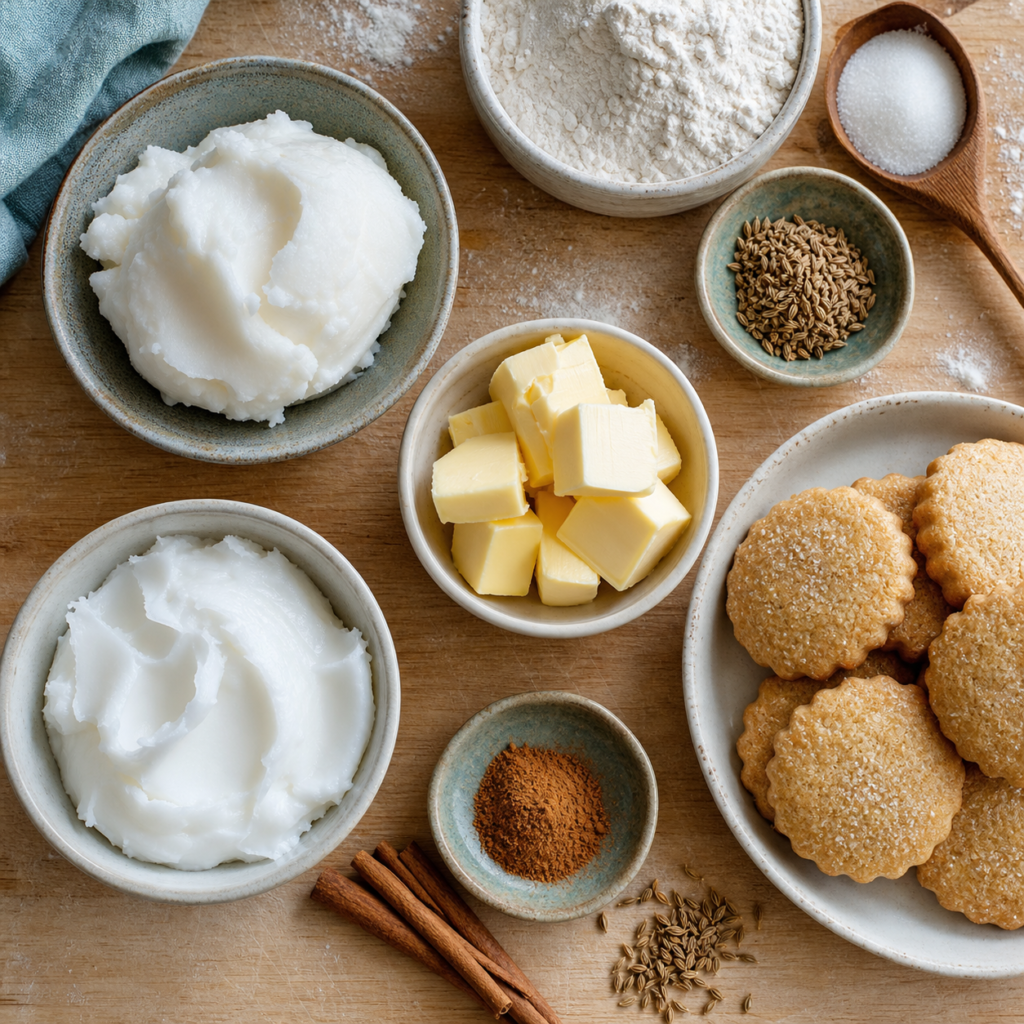
The Best Lard Substitutes for Biscochitos (And How to Use Them)
Maybe you can’t find lard. Maybe you don’t eat pork. Maybe you want to make vegan biscochitos. Here are your best options.
1. Vegetable Shortening — The Closest Texture Substitute
Vegetable shortening is the closest common substitute for texture when making biscochitos without lard. Use it in a 1:1 ratio — same amount as the lard called for in the recipe.
The cookies will be close to traditional. They won’t be identical, but they’ll have the right crumbly, crisp quality. Use an all-vegetable shortening with no trans fats for the best results.
2. Butter — Richer Flavor, Less Traditional Texture
If you want to use butter, go for it — just know the texture will change. Use unsalted butter and keep it cold. Cold butter behaves more like lard in dough: it stays solid longer, which helps with texture.
Some bakers use a mix of half butter and half shortening. This gives you the flavor from the butter and the texture from the shortening. It’s a smart compromise.
3. Coconut Oil — Works, But Changes the Flavor
Coconut oil can work as a lard substitute in biscochitos, but it changes the flavor. Refined coconut oil has a neutral taste. Unrefined coconut oil has a distinct coconut flavor that may clash with the anise and cinnamon.
Use solid (not melted) refined coconut oil in a 1:1 ratio. The texture will be fairly crumbly, though coconut oil has a lower melting point than lard, so the cookies may spread slightly more.
4. Vegan Biscochitos — Are They Possible?
Yes, vegan biscochitos are possible. Vegan versions are possible but not traditional. That’s an important distinction to keep in mind.
For vegan biscochitos, replace lard with vegetable shortening or solid coconut oil. Replace the egg with a flax egg (1 tablespoon ground flaxseed + 3 tablespoons water, rested for 5 minutes). Skip the brandy or use orange juice instead.
The result will be a dairy-free biscochito that’s close to the original in texture — not identical, but very good.
Tips for Perfect Biscochitos: Avoiding Dry, Flat, or Tough Cookies
Even with the right fat, things can go wrong. Here are the most common biscochito problems and how to fix them.
Why Are My Biscochitos Dry? Common Mistakes
Dry biscochitos usually come from one of three causes:
- Too much flour. It’s easy to scoop too much flour when measuring. Always spoon flour into the measuring cup and level it off. Better yet, use a kitchen scale.
- Overbaking. Biscochitos should be lightly golden, not brown. Pull them from the oven when the edges just begin to color.
- Too little fat. Make sure you’re measuring lard accurately. Lard is denser than butter, so use the same volume but don’t pack it too tight.
The dough should be firm but not dry. If it cracks when you roll it, add a teaspoon of liquid at a time until it holds together.
Why Are My Biscochitos Not Crumbly?
If your biscochitos come out more like a soft sugar cookie than a crumbly shortbread, gluten is the likely culprit.
- Don’t overmix the dough. Mix just until the ingredients come together. Overworking the dough develops gluten, which makes the cookie tough.
- Chill the dough. Rest the dough in the refrigerator for at least 30 minutes before rolling. Cold fat stays solid, which leads to a crumblier texture.
- Check your fat. If you used butter instead of lard, the extra water content is working against you. Consider switching to lard or shortening.
How to Make Biscochitos Crispy Every Time
Follow these steps for crispy, snappy biscochitos:
- Roll the dough thin — about ¼ inch thick. Thicker cookies stay soft in the center.
- Bake at a slightly higher temperature — 375°F (190°C) is the sweet spot. High heat crisps the outside quickly.
- Let them cool fully on a wire rack. Biscochitos crisp up as they cool. Don’t stack them while warm.
- Store in an airtight container. Humidity is the enemy of crispy cookies. A tin or sealed container keeps them snappy for days.
Frequently Asked Questions
Why do biscochitos use lard instead of butter?
Lard was the traditional fat in Spanish colonial New Mexican cooking. It also produces a crumblier, crisper texture than butter because it has no water content and coats flour more evenly. The result is the dry, delicate texture that defines an authentic biscochito.
Do authentic biscochitos need lard, or can I skip it?
Traditional biscochitos are made with lard. Skipping it is possible, but the texture will change. Vegetable shortening is the closest substitute if you need to avoid lard.
What does lard do to the texture of biscochitos?
Lard inhibits gluten development, which makes the cookie tender and crumbly. It also has no water content, which keeps the cookies crisp. Together, these properties create the classic melt-in-your-mouth biscochito texture.
Can I substitute butter for lard in biscochitos?
Yes, but the cookies will spread more, be softer, and taste richer. They won’t have the same crumbly crispness as traditional biscochitos with lard. A mix of half butter and half shortening is a better compromise.
What is the best lard substitute for biscochitos?
Vegetable shortening is the best substitute for texture. It has no water and a neutral flavor, which makes it closer to lard than butter is. Leaf lard is still the gold standard if you can find it.
Is shortening better than butter for biscochitos?
For texture, yes. Shortening is closer to lard than butter because it has no water content. Butter adds more flavor but changes the structure of the cookie. If you want a crumbly, traditional texture without using lard, shortening is the better pick.
Why are my biscochitos dry and crumbly in the wrong way?
If your biscochitos crumble apart instead of holding together, you likely used too much flour or not enough fat. Try measuring flour with a spoon-and-level method and double-check your lard quantity.
Can biscochitos be made vegetarian or vegan?
Yes. Use vegetable shortening or refined coconut oil in place of lard. Replace eggs with a flax egg. The cookies won’t be identical to traditional biscochitos, but they’ll be close.
What kind of lard is best for cookies — leaf lard or regular?
Leaf lard is best for baking. It has almost no pork flavor and produces a lighter, cleaner-tasting cookie. Regular rendered lard works well too, but leaf lard is worth seeking out if you want the most authentic result.
Are biscochitos made with butter or lard in traditional recipes?
Traditional New Mexico biscochito recipes use lard. Butter is a modern substitution. If you want an authentic biscochito — the kind that’s been made in New Mexican homes for generations — use lard.
Ready to bake the traditional version? Start with our authentic New Mexico biscochitos recipe, which uses lard, anise seed, whiskey or orange juice, and cinnamon sugar for the classic crisp, crumbly texture.
Final Thoughts
Lard gives biscochitos their traditional crumbly texture. No other fat does it quite the same way.
That’s why authentic New Mexican biscochitos have always been made with lard — not out of tradition for its own sake, but because lard genuinely produces a better cookie. The crispy edges, the tender crumble, the melt-in-your-mouth bite: that’s all lard at work.
If you’ve never tried making biscochitos with real lard, try it once before experimenting with substitutes. You might be surprised at the difference.
And if lard isn’t an option for you, vegetable shortening is your best bet. A little butter for flavor, a lot of shortening for texture — that’s a combination that gets very close to the real thing.